7 Ways a D2C Ecommerce Agency Improves Customer Engagement and Loyalty
The Future of Retail: How D2C Ecommerce Solutions Can Change Your Company
The retail landscape is evolving, driven by the rise of direct-to-consumer (D2C) ecommerce services. Brand names are increasingly looking for methods to connect with consumers on an individual degree while streamlining their operations. This change not just improves profit margins but also changes the buying experience substantially. As businesses adapt to these modifications, the effects for brand commitment and consumer involvement come to be essential. What techniques will define success in this new period?
Understanding the D2C Ecommerce Version
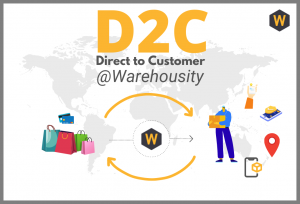
As consumers increasingly look for tailored purchasing experiences, the Direct-to-Consumer (D2C) ecommerce design has arised as a transformative method in retail. This model enables brand names to sell straight to their consumers, bypassing standard intermediaries like stores and dealers. By establishing a direct relationship with customers, business can get deeper understandings into consumer choices and behaviors.D2C ecommerce leverages digital platforms, enabling brands to manage their prices, advertising and marketing, and delivery procedures. This strategy fosters agility, enabling companies to adapt rapidly to market trends and customer responses. Notably, D2C versions often use information analytics to enhance item offerings and client engagement strategies.In an increasingly competitive landscape, the D2C design equips companies to cultivate brand name commitment and develop customized experiences that reverberate with their target audience. By doing this, understanding the complexities of D2C ecommerce is essential for brands intending to flourish in the modern retail setting.
Benefits of Direct-to-Consumer Approaches
While lots of companies come to grips with the complexities of traditional retail, the Direct-to-Consumer (D2C) technique uses distinct benefits that can substantially enhance brand efficiency. By removing middlemans, brand names keep better control over their rates, item discussion, and overall client experience. This direct partnership fosters brand commitment, as customers feel a lot more connected to the brand and its values.Additionally, D2C approaches usually result in higher revenue margins, considering that businesses can retain the whole retail price instead of sharing it with representatives or merchants. D2C designs likewise enable brand names to respond promptly to market patterns and consumer choices, helping with more agile supply monitoring and product advancement. In addition, services can produce individualized advertising and marketing campaigns that reverberate with their audience, eventually driving greater conversion rates. In this developing retail landscape, D2C methods offer a possibility for brands to differentiate themselves and accomplish sustainable development.
Leveraging Information Analytics for Consumer Insights
Comprehending Customer Habits Patterns
Just how can companies efficiently decode the complexities of customer habits in a rapidly evolving electronic landscape? By harnessing information analytics, firms can acquire beneficial insights right into their customers' behaviors, choices, and inspirations. Evaluating surfing patterns, acquisition history, and responses permits brand names to recognize trends and segment their audience properly. This understanding not just improves item offerings however likewise personalizes advertising and marketing approaches, fostering more powerful client relationships. Furthermore, organizations can check social media sites interactions and on the internet testimonials to gauge sentiment and adjust to altering consumer expectations. In this way, data-driven methods equip brands to anticipate needs and fine-tune their approaches, inevitably leading to enhanced consumer complete satisfaction and loyalty in the competitive D2C ecommerce atmosphere.
Predictive Analytics for Fads
As businesses strive to continue to be competitive in the D2C ecommerce landscape, leveraging predictive analytics ends up being important for identifying emerging fads and customer preferences. By evaluating historical data, business can anticipate future buying habits, allowing them to customize their offerings successfully. Anticipating analytics permits sellers to segment their target market based on buying patterns, making sure targeted marketing approaches that reverberate with unique consumer teams. Additionally, these understandings facilitate inventory monitoring, lowering overstock and lessening stockouts. As new patterns emerge, businesses can swiftly adapt their line of product, improving customer satisfaction and loyalty. Ultimately, the integration of predictive analytics empowers D2C brand names to make data-driven choices, promoting advancement and development in an increasingly dynamic market.
Enhancing Consumer Involvement Through Customization
While numerous brand names recognize the relevance of customer involvement, customization becomes an important approach to promote deeper connections with customers (D2C Ecommerce Agency). By leveraging information analytics, brand names can tailor experiences to private preferences, creating a more pertinent shopping journey. Customized referrals, targeted promos, and customized web content significantly enhance the customer experience, making customers feel valued and understood.Moreover, employing different interaction channels enables brand names to involve consumers in manner ins which reverberate with them. For circumstances, personalized emails, social media interactions, and customized web site experiences can drive commitment and repeat acquisitions. This strategy not only raises customer contentment yet likewise urges brand advocacy, as pleased customers are most likely to share their positive experiences with others.Ultimately, personalization is not simply a trend yet a fundamental component of effective D2C ecommerce methods, making it possible for brand names to develop enduring relationships and boost their market visibility
Streamlining Supply Chain and Procedures
Building Brand Commitment in an Open Market
Customized Purchasing Experience
The contemporary customer landscape is defined by a frustrating selection of products and brands, making it vital for organizations to differentiate themselves via personalized purchasing experiences. By leveraging data analytics and customer understandings, brand names can tailor their offerings to private preferences, consequently boosting client satisfaction. Tailored recommendations, targeted promotions, and tailored interaction can cultivate a feeling of link, making consumers really feel valued. This strategy not only increases instant sales yet also cultivates lasting brand loyalty. Furthermore, D2C ecommerce services enable brand names to gather real-time responses and adjust their strategies accordingly, guaranteeing significance in a dynamic market. Eventually, a personalized buying experience can change casual customers right into specialized supporters, solidifying a brand's setting in an affordable landscape.
Engaging Brand Storytelling
Compelling brand narration works as a powerful device for companies endeavoring to develop commitment in a competitive market. By weaving stories that resonate with customers, brands can create psychological connections that prolong beyond transactions. Involving stories highlight a brand's worths, goal, and one-of-a-kind selling suggestions, allowing customers to understand the brand name on a personal degree. D2C Ecommerce Agency. This link fosters trust fund and encourages repeat purchases, as customers really feel aligned with a brand name's ethos. Additionally, effective narration can set apart a brand name from its competitors, making it a lot more unforgettable in a crowded market. As consumers increasingly look for credibility and significance in their options, brands that buy interesting narration are likely to grow enduring partnerships and improve client commitment
Future Patterns in D2C Ecommerce Provider
As customer choices advance, D2C ecommerce solutions are positioned to go through significant changes in the coming years. Enhanced customization get more info will arise as a crucial trend, with brands leveraging AI and data analytics to tailor purchasing experiences to specific customers. Furthermore, sustainability will certainly end up being a prime focus, as customers increasingly look for environmentally friendly items and transparent supply chains, triggering brands to embrace greener practices.Omnichannel methods will certainly additionally obtain grip, integrating on-line systems with physical touchpoints to develop seamless customer trips. Mobile commerce will remain to increase, driven by improvements in technology and changing purchasing habits, making it vital for brands to maximize their mobile user interfaces. Social commerce is set to rise, with systems promoting direct acquisitions through social media, boosting brand name interaction. Eventually, these patterns signify a change toward a lot more nimble, consumer-centric strategies in D2C ecommerce, enabling brands to stay competitive in a quickly altering landscape.
Regularly Asked Inquiries
What Preliminary Investments Are Needed for Beginning a D2C Ecommerce Organization?
Beginning a D2C ecommerce company calls for initial financial investments in website development, inventory, electronic advertising and marketing, and logistics. Additionally, funds for branding, client service, and payment processing systems are necessary to develop an effective on-line existence.
Just How Can Small Organizations Contend With Established D2C Brands?
Small companies can compete with well established D2C brand names by concentrating on particular niche markets, leveraging tailored consumer experiences, utilizing social networks for interaction, and implementing dexterous approaches that adapt to consumer responses and market patterns.
What Are Common Difficulties Faced by D2C Ecommerce Startups?
Common difficulties faced by D2C ecommerce start-ups include limited brand name recognition, high customer acquisition costs, supply chain management concerns, competitors from established players, and the need for reliable digital advertising strategies to drive traffic and conversions. - D2C Ecommerce Agency
How Do Refunds and returns Operate in D2C Ecommerce?
In D2C ecommerce, returns and refunds normally involve clients starting the process via the site. Policies vary by firm, however the majority of provide clear directions, timeframes, and conditions for returning products, guaranteeing consumer fulfillment and loyalty.
Are There Legal Factors To Consider for D2C Ecommerce Businesses?
Legal factors to consider for D2C ecommerce businesses include compliance with consumer defense legislations, data privacy laws, and copyright legal rights. Companies have to likewise attend to taxation and delivery policies to assure authorized procedures in their corresponding markets. Notably, D2C versions often utilize information analytics to boost product offerings and client interaction strategies.In a progressively affordable landscape, the D2C version empowers organizations to cultivate brand loyalty and create tailored experiences that resonate with their target audience. While many companies grapple with the intricacies of conventional retail, the Direct-to-Consumer (D2C) strategy provides distinctive advantages that can substantially boost brand performance. D2C versions also allow brand names to react promptly to market patterns and customer choices, assisting in more agile supply administration and item development. In addition, D2C ecommerce services allow brands to gather real-time comments and adapt their techniques accordingly, ensuring importance in a vibrant market. Involving stories highlight a brand's worths, mission, and one-of-a-kind selling propositions, permitting customers to recognize with the brand on a personal level.